
Smart Home
Smart Home Gadgets in Pakistan: What to Know Before Buying
Smart home technology is no longer limited to expensive automated
You do not need to spend a fortune or take......
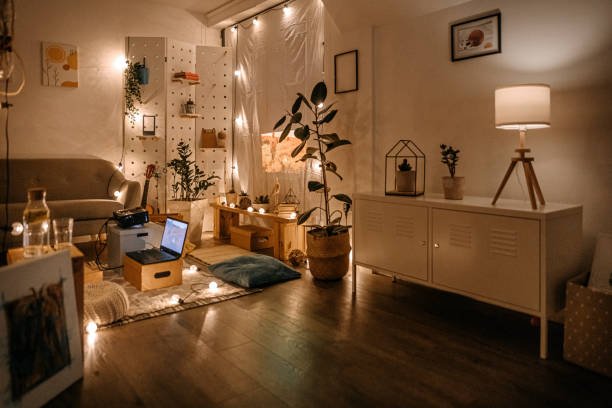
You do not need to spend a fortune or take on a major renovation to make a room feel fresh. A few thoughtful changes can completely alter the way a space looks and feels. Moving furniture, changing the lighting, adding a soft rug, or bringing in a few personal items can often have more impact than expected. If your room feels a little plain or outdated, there are plenty of simple room decoration ideas worth trying. Whether you are working with a bedroom, living room, home office, or a small flat, the key is to make small changes that suit the space and your personal style.
Lighting can change the atmosphere of a room within minutes. A single bright ceiling light can make a space feel harsh, while several softer light sources create a warmer and more comfortable setting.
Try using different types of lighting rather than relying on one fixture. A floor lamp can brighten a dark corner, while a table lamp works well beside a bed, sofa, or desk. Wall lights can also add a decorative touch without taking up floor space.
Warm white bulbs around 2700K to 3000K are generally suited to bedrooms and living areas because they create a softer atmosphere. Cooler lighting can be useful in workspaces where brighter illumination is helpful.
LED strips are another simple option. They can be placed behind a television, underneath shelves, around a mirror, or behind a headboard. Fairy lights and LED string lights can also add a subtle decorative effect without requiring a complicated installation.
For anyone looking for easy room decoration ideas on a budget, changing the lighting is often one of the simplest places to begin.
Empty walls can make an otherwise finished room look incomplete. You do not necessarily need expensive artwork to change this.
A few framed photographs, prints, posters, or small pieces of artwork can create a more personal look. Instead of covering every wall, choose one area and make it a focal point.
Floating shelves are useful if you want both decoration and extra storage. They can hold books, small plants, photographs, candles, or other objects you already own.
Mirrors are particularly useful in smaller rooms. A well-positioned mirror can reflect natural light and give the impression of additional space.
For renters, removable wallpaper and wall decals can provide colour or pattern without making a permanent change to the property.
Sometimes a room does not need more furniture. It simply needs more texture.
A sofa or bed can look completely different with a few cushions and a throw. Try combining different materials rather than choosing everything in exactly the same fabric. Knitted blankets, linen cushions, cotton curtains, and textured rugs can make a room feel much more comfortable.
A rug can also help define an area. In a living room, for example, placing a rug underneath or in front of the sofa can help bring the furniture together. In a bedroom, a soft rug beside the bed can make the space feel warmer.
Curtains are another detail that is easy to overlook. Choosing a fabric and colour that complement the rest of the room can make windows look more finished.
Plants are an easy way to introduce colour and natural texture into a room. You do not need a large collection to make an impact.
A small plant on a shelf, desk, windowsill, or side table can fill an empty space without making it look crowded. If you do not have much time for plant care, look for varieties that are known for being relatively easy to maintain.
Artificial plants can also work if the room does not receive much natural light. The important thing is to choose sizes and styles that suit the space rather than filling every available surface.
For simple home decor ideas for small spaces, one carefully placed plant can often work better than several smaller decorative items.
Before buying new decorations, take a look at what is already in the room.
Clutter can make even a well-designed space feel messy. Clear surfaces such as coffee tables, bedside tables, shelves, and desks. Put away things that you do not use regularly and remove items that no longer have a purpose.
You may also find that some decorations look better when grouped together rather than spread around the room.
A useful approach is to leave some empty space. Not every shelf, wall, or table needs to be filled. Giving your decorations room to breathe can make the entire space look more organised.
Colour has a major influence on how a room feels. You do not need to repaint the entire room to introduce a new colour scheme.
Start with the colours that are already present in your furniture, flooring, curtains, or walls. Then choose one or two additional shades that work well with them.
Neutral colours such as cream, beige, white, and soft grey can create a calm background. If you prefer something more colourful, introduce stronger shades through cushions, artwork, rugs, lamps, or other smaller accessories.
Keeping the main palette to around two or three colours can help the room feel coordinated without looking overly planned.
One of the most overlooked room decoration ideas costs absolutely nothing: change the layout.
Try moving the sofa, bed, desk, or chairs into a different position. You may discover that the room has more usable space than you thought.
Think about how people move through the room. Avoid blocking doors, windows, or natural walkways. In smaller rooms, keeping furniture slightly away from walkways can make the area feel less cramped.
Take a photo before and after rearranging the furniture. Seeing the room from a different perspective can make it easier to decide which layout works best.
A room should feel like your space rather than a showroom.
Display photographs, books, artwork, souvenirs, handmade items, or objects that have some personal meaning. These details can add character without requiring a large decorating budget.
You can also create a small display on a shelf, side table, or wall rather than spreading personal items throughout the room.
The best decorations are often things you already own. Before shopping for something new, look around your home and consider whether an item from another room could work better in the space you are updating.
Decorating does not have to mean buying everything new. There are several ways to refresh a room while keeping spending under control.
If you are working with a particularly small budget, start with the areas you notice most when you enter the room. Improving one visible area can make the whole space feel different.
Small rooms need a slightly different approach. Too many decorations can quickly make the space feel busy.
Choose furniture that fits the room rather than trying to squeeze large pieces into a limited area. Storage can also make a major difference, especially when you can keep everyday items out of sight.
Use mirrors, lighter colours, and good lighting to create a more open appearance. Wall-mounted shelves can provide storage without taking up valuable floor space.
When choosing decorations, think about quality rather than quantity. One larger piece of artwork or a well-placed mirror can have more impact than several small items scattered around the room.
There is no single decorating style that works for everyone. Some people prefer clean, minimalist spaces, while others enjoy bold colours, patterns, and lots of accessories.
Instead of trying to copy an entire room from a magazine or social media post, choose ideas that fit your lifestyle.
If you like reading, create a comfortable reading corner. If you work from home, make your desk area practical as well as attractive. If you enjoy photographs, create a small gallery wall.
Good decoration is not just about appearance. The room should also be comfortable and useful.
Start with the basics. Declutter the room, rearrange the furniture, improve the lighting, and add a few soft furnishings. These changes can make a noticeable difference without requiring major work.
Use items you already have before buying new ones. Rearranging furniture, repainting old pieces, changing cushion covers, adding plants, and using photographs or artwork are all affordable options.
Keep the layout simple, avoid oversized furniture, use mirrors to reflect light, and choose lighter colours where possible. Keeping surfaces clear can also make a small room feel more spacious.
Start with comfortable lighting, fresh bedding, a soft rug, cushions, curtains, and a few personal decorations. Keeping the colour palette simple can also create a more relaxed appearance.
Yes. LED strips and string lights can be used around shelves, mirrors, desks, beds, or entertainment areas. They are particularly useful when you want to add decorative lighting without changing the main ceiling fixture.
There is no fixed rule, but using two or three main colours can make it easier to create a balanced look. You can add interest through different textures and patterns without introducing too many additional colours.
Refreshing a room does not have to involve a major renovation. Small changes to lighting, furniture placement, colour, texture, storage, and decoration can make a space feel completely different.
Start with what you already have. Clear away unnecessary clutter, try a different furniture arrangement, and identify one or two areas that need attention. Then add new pieces gradually rather than buying everything at once.
The most effective room decoration ideas are usually the ones that make your space more comfortable, practical, and personal. You do not need a perfect showroom-style room. You simply need a space that feels right for you.
Smart home technology is no longer limited to expensive automated

If you drive in Pakistan, you already know the struggle:

Choosing a humidifier is not just about picking the most