
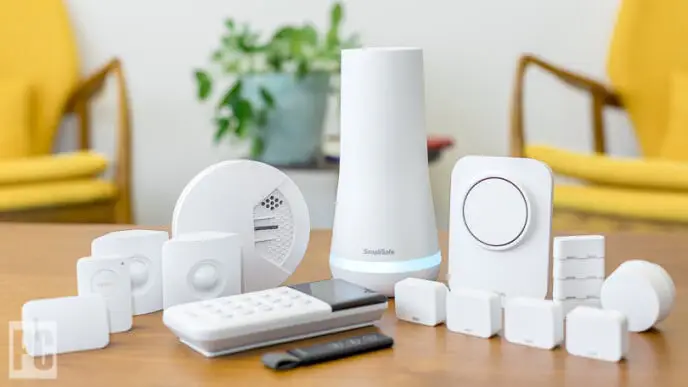
Smart Home
Smart Home Gadgets in Pakistan: What to Know Before Buying
Smart home technology is no longer limited to expensive automated
Smart home technology is no longer limited to expensive automated......
Smart home technology is no longer limited to expensive automated houses. Today, a range of connected devices can help people control appliances, manage lighting, improve comfort, and simplify everyday routines. If you are searching for smart home gadgets in Pakistan, the real challenge is not finding a gadget. It is choosing one that is genuinely useful for your home. From smart plugs and connected lighting to climate and convenience devices, there are many options to consider. Some products are designed for automation, while others simply make a regular household task easier.
This guide explains how smart home gadgets work, what to look for before buying them, and which types can make sense for different homes in Pakistan.
Smart home gadgets are connected devices that can be controlled, monitored, or automated through a smartphone, wireless connection, or compatible smart-home system. Common examples include smart plugs, smart lights, sensors, and connected home appliances. The best choice depends on your daily needs, available space, connectivity, budget, and compatibility with other devices.
A smart home gadget is essentially a household device with additional connectivity or automation features. Instead of only operating a device manually, smart technology may allow you to control it through an app, schedule certain actions, or connect it with other compatible devices.
For example, a traditional plug simply provides electricity to an appliance. A smart plug may add features such as remote control or scheduling. The same idea can apply to lighting, climate-control products, security devices, and other household equipment. However, “smart” does not automatically mean “better.” A useful gadget is one that solves a problem or makes a regular task more convenient.
The growing interest in connected home products is partly about convenience.
People want easier ways to manage everyday tasks without making their homes unnecessarily complicated. A simple device that can be scheduled or controlled remotely may be more useful than an advanced system with features that are rarely used.
Smart gadgets can be useful for:
The right benefits depend on the product and how it is used.
For Pakistani households, practicality is particularly important. A gadget should be suitable for the home’s available power, internet connection, space, and daily routine rather than being purchased simply because it has smart features.
If you are new to smart-home technology, there is no need to automate everything at once.
Starting with one or two practical devices can help you understand how connected products work before you spend more money.
Smart plugs are one of the simpler ways to introduce connected control into a home. A compatible appliance can be connected through the smart plug, allowing certain models to provide app-based control, scheduling, or energy-monitoring features. They can be useful for people who want to experiment with smart-home technology without replacing existing appliances.
Before buying a smart plug, check:
Smart lighting can provide more control over household lights.
Depending on the product, you may be able to adjust brightness, create schedules, or control lights through a compatible app. For some homes, the biggest advantage is simply convenience. For others, scheduling can help make lighting routines more consistent.
Before buying smart lighting, consider whether you actually need features such as
You do not necessarily need every feature. Choose the functions that fit your routine.
Sensors can be useful when you want certain actions to happen automatically. For example, a motion sensor may be used with compatible lighting to detect movement. Other sensors can monitor doors, windows, or environmental conditions. The usefulness of a sensor depends heavily on placement and compatibility. A poorly positioned sensor may not provide the results you expect.
You do not need a large house to use smart technology.
In fact, people living in apartments or smaller homes may benefit from choosing compact gadgets that solve specific problems without requiring major installation work.
For a smaller home, useful options can include:
The key is to avoid buying several devices that perform almost the same function.
A good smart-home setup should make your home easier to manage, not create another complicated system that requires constant attention.
The value of smart technology usually comes from small improvements rather than dramatic changes. Imagine that you regularly forget to switch off a particular appliance. A compatible smart device with scheduling or remote control may help you manage that routine more easily. Or perhaps you want certain lights to operate according to a schedule. A suitable connected lighting setup may reduce the need to operate them manually every time. These are simple examples, but they show an important principle:
Choose the gadget based on the problem you want to solve.
Do not start by asking, “Which smart gadget should I buy?”
Start by asking, “What part of my daily routine could be easier?”
That approach can help you avoid unnecessary purchases.
There are several things worth checking before choosing a connected device.
Compatibility is one of the most important considerations. Check whether the device works with your smartphone, operating system, Wi-Fi setup, and other smart products you already own. If you plan to add more devices later, consider whether they can work together. Buying products from completely unrelated ecosystems may make future automation more difficult.
Some smart devices rely on Wi-Fi for their main features. Before installation, think about the strength of your wireless connection in the area where the device will be used. A device placed far from the router may have connectivity problems if the signal is weak. Also check whether the product requires a specific network frequency or additional hub.
The mobile app is often the main way you interact with a smart device. A product can have an impressive feature list, but a confusing or unreliable app can make it frustrating to use. Look for basic functions such as
Always check how the device gets power. Some products connect directly to a wall socket, while others use USB power, batteries, or rechargeable cells. This matters because the installation location may not have a convenient power source.
Not every smart gadget is equally easy to install. Simple plug-in products may be suitable for beginners, while electrical installations or permanent fixtures may require a qualified professional.
Never attempt electrical work beyond your experience simply to install a smart device.
If you think you may add more smart devices later, consider the bigger picture before buying your first product. A compatible ecosystem can make it easier to expand your setup over time. You do not have to purchase everything at once. In many cases, starting small and expanding gradually is more practical.
Smart gadgets can be useful in Pakistani homes, but their value depends on the individual household. For example, someone living in a small apartment may benefit more from a smart plug and simple lighting than from a complex whole-home automation system. A family with several rooms may have different priorities. Climate and comfort can also influence purchasing decisions. A household looking for better control over indoor conditions may consider products such as humidifiers or other air and climate gadgets. The important point is to match the technology with the environment in which it will actually be used.
Some smart devices can help manage electricity use through scheduling, automation, and monitoring.
For example, a device that allows scheduled operation can help prevent a compatible appliance from running longer than necessary.
However, buying a smart gadget does not automatically reduce electricity consumption.
Savings depend on:
Smart technology is better viewed as a tool for controlling and managing usage rather than a guarantee of lower electricity bills.
Buying smart products without considering compatibility is one of the easiest mistakes to make. A device may look useful on its own but become less practical if it does not work with your existing setup.
Other common mistakes include:
You do not need to automate the whole house immediately. Start with one useful device and see whether it genuinely improves your routine.
Some products have long lists of advanced functions. If you only need remote control, there may be little reason to pay extra for features you will never use.
A smart device depends on reliable communication. Always consider your Wi-Fi coverage and the product’s connectivity requirements before buying.
Check whether the device needs a wall socket, USB connection, batteries, or another power source.
The cheapest option may not be the most practical if its app, connectivity, or compatibility does not meet your needs.
Building a smart home does not have to be complicated. A simple approach is to follow these steps:
Think about one household task that you would like to make easier. It could be controlling an appliance, managing lighting, or improving comfort.
Find a product that directly addresses that problem. Avoid buying several products before you understand what you actually need.
Confirm the device works with your phone, network, and any existing smart products.
Follow the manufacturer’s installation and operating instructions. For electrical products requiring permanent wiring, use appropriate professional assistance.
Use the device for a while.
If it genuinely makes your routine easier, you can consider adding another compatible product. This gradual approach is often more practical than trying to create a complete automated home in one go.
Smart devices are not automatically the right choice for every situation.
| Feature | Traditional Device | Smart Device |
| Manual control | Usually | Usually available |
| Remote control | Usually unavailable | Often available |
| Scheduling | Limited | Common on connected products |
| Automation | Limited | Available on compatible systems |
| Setup | Often simple | Can require app/network setup |
| Cost | Often lower | Can be higher |
| Compatibility concerns | Minimal | Important |
The right option depends on what you need.
If a traditional product already performs the job well and you do not need automation, upgrading may not be necessary. If remote access, scheduling, or automation would genuinely help, a smart alternative may make more sense.
There is no universal list of the best smart devices because different homes have different needs.
For many beginners, practical categories to explore include
The best choice is the one that solves a real problem while fitting your budget, space, and existing technology.
Simple products such as smart plugs, smart lighting, and selected sensors can be good starting points. They allow users to experience connected control without immediately creating a complex home automation system.
Smart gadgets use technologies such as Wi-Fi, Bluetooth, or other communication systems to connect with a smartphone, hub, or compatible device. Depending on the product, they may provide remote control, scheduling, monitoring, or automation.
Not every smart device uses Wi-Fi, but many connected home products rely on it for app-based control and remote features. Always check the individual product’s connectivity requirements before buying.
Yes. Compact smart devices can be particularly practical in apartments because many can be added without major changes to the property. Smart plugs, lighting, and selected sensors are examples of products that may suit smaller homes.
Some devices can help manage electricity use through scheduling, automation, and monitoring. However, actual savings depend on the device, settings, and household behavior.
Check compatibility, connectivity requirements, power source, installation method, app features, supported functions, and whether the device can work with other products you may use in the future.
Yes. Many smart gadgets are designed to work with existing homes. You can often start with individual devices rather than replacing your current appliances or creating a complete automation system.
It depends on how much automation you want. A basic setup can start with a small number of practical devices, while larger systems with multiple connected products can cost considerably more.
Smart home technology is most useful when it makes everyday life simpler. You do not need dozens of connected devices or a complicated automation system to get started. A single practical gadget can be enough to solve a small problem and show whether smart technology is right for your home. When choosing smart home gadgets in Pakistan, focus on compatibility, connectivity, power requirements, ease of use, and the problem you want the device to solve. Starting small can also make it easier to understand your needs before investing in more products. Whether you are looking for easier appliance control, smarter lighting, or better home comfort, the goal should always be practical technology that fits naturally into your daily routine.
Smart home technology is no longer limited to expensive automated

If you drive in Pakistan, you already know the struggle:

Choosing a humidifier is not just about picking the most