
Smart Home
Smart Home Gadgets in Pakistan: What to Know Before Buying
Smart home technology is no longer limited to expensive automated
Choosing a humidifier is not just about picking the most......
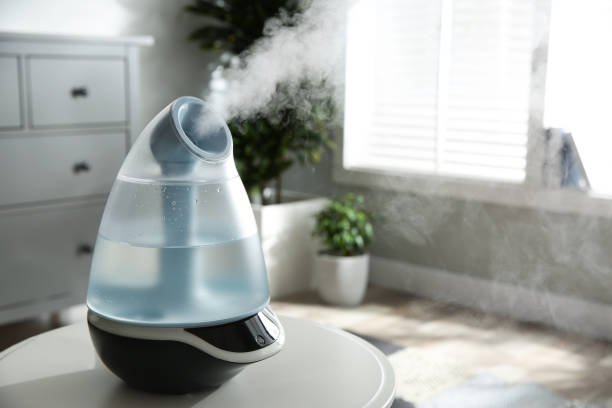
Choosing a humidifier is not just about picking the most expensive or feature-packed model. The right choice depends on your room size, how often you plan to use it, noise level, water tank capacity, cleaning requirements, and the type of mist you prefer. If you are wondering how to choose the right humidifier for your home, start by considering where you will use it and what you need from it.
A humidifier can be useful when indoor air feels particularly dry. However, using the wrong size or failing to clean the unit properly can create new problems. This guide explains what to look for before buying one so you can make a practical choice for your home.
A humidifier adds moisture to indoor air by producing and releasing water vapor or a fine mist.
Dry indoor air can feel uncomfortable, particularly when you spend a lot of time in air-conditioned rooms. Some people notice dry skin, a dry throat, irritated nasal passages, or static electricity when the air becomes too dry. A humidifier can increase the moisture level, but more moisture is not automatically better. Excessive indoor humidity can encourage condensation and create conditions that are less comfortable.
For that reason, the aim should be balanced humidity rather than making the room feel damp.
The best way to choose a humidifier is to match the appliance to your room and daily routine. Consider the room’s size, the expected running time, noise level, tank capacity, cleaning requirements, and available features before making a purchase.
Here are the main factors to check.
Room size should be one of the first things you check.
A small humidifier may be perfectly adequate for a bedroom or study, while a larger living room may need a model designed to distribute moisture over a bigger area. Check the manufacturer’s recommended room coverage before buying. If the humidifier is designed for a small space but you place it in a large open room, it may not provide the results you expect.
Think about where you will actually use the appliance.
| Room | What to consider |
| Small bedroom | Compact size and quiet operation |
| Large bedroom | Larger tank and suitable coverage |
| Living room | Higher output and wider coverage |
| Home office | Low noise and convenient controls |
| Nursery or child’s room | Safe placement and automatic shut-off |
The important point is to match the humidifier to the room rather than choosing purely based on appearance.
There are several types of humidifiers, but the differences are mainly related to how they create and release moisture.
Ultrasonic humidifiers use high-frequency vibrations to create a fine mist. They are often considered for bedrooms, offices, and other areas where quieter operation is desirable. They can also have a relatively compact design, making them convenient when space is limited. If you are looking for a humidifier for bedroom use, check the product’s stated noise level and operating modes before buying.
Cool-mist humidifiers release moisture without producing hot steam. They are commonly used in bedrooms, living areas, and workspaces. If children or pets are present in your home, think carefully about placement. The appliance should sit on a stable surface where it cannot easily be knocked over.
Warm-mist humidifiers heat water before releasing moisture. Because they involve heated water, placement and handling require additional care. They may appeal to people who prefer warm mist, but they are not automatically the right choice for every home.
Tank capacity determines how much water the humidifier can hold before it needs to be refilled. A small tank may be fine if you only intend to run the humidifier for a few hours. If you want longer operation, a larger tank can reduce the need for frequent refilling. However, bigger is not always better.
A large tank can make the appliance heavier and more difficult to carry when full. It can also take up more space.
Before buying, ask yourself:
This is a simple way to avoid buying a humidifier that does not fit your routine.
Noise becomes much more noticeable at night.
If you are buying a humidifier for your bedroom, look for information about operating noise and whether the model has a sleep or night mode. A humidifier that sounds acceptable during the day may still become distracting when the rest of the room is quiet. For a living room or office, noise may be less important. But if you work close to the appliance for several hours, quieter operation can still make a difference.
Cleaning is one of the most important considerations when choosing a humidifier. A humidifier uses water, so the tank and internal surfaces need regular care. Mineral deposits can build up over time, particularly depending on the water used. Standing water can also become a maintenance concern if the appliance is neglected. A good humidifier should be reasonably easy to take apart and clean according to the manufacturer’s instructions.
Look for:
Do not choose a model only because it looks stylish. If cleaning it is difficult, maintaining it regularly may become a chore.
Humidifiers can come with many different controls and functions. Some are useful for everyday operation, while others may not matter to you.
Useful features can include:
This feature turns the humidifier off when the water level becomes too low. It can be especially convenient if you plan to use the appliance overnight.
Different weather conditions and rooms may require different levels of moisture. Adjustable mist settings allow you to control the output rather than relying on one fixed setting.
A timer can be useful if you want the humidifier to operate for a specific period rather than running continuously.
Some models include controls or sensors designed to help maintain a selected humidity level. This can make it easier to avoid excessive moisture.
A night mode may reduce operating noise, dim lights, or adjust operation for sleeping conditions, depending on the model.
You do not need every feature. Choose the functions that solve an actual problem for you.
The location of the humidifier matters. Place it on a stable, level surface where the mist can disperse freely. Avoid positioning it directly beside electronics, delicate furniture, walls, or items that could be damaged by moisture. For a bedroom, keep it away from bedding and make sure children cannot easily reach it.
For a living room, choose a location where the mist can circulate rather than being blocked by large furniture. Always follow the placement instructions supplied with the specific model.
The type of water recommended for a humidifier depends on the model.
Some humidifiers are designed with specific water requirements, while others may recommend filtered, distilled, or another type of water to reduce mineral deposits. Do not assume that every humidifier should be filled in exactly the same way. Check the manufacturer’s instructions for your particular appliance. This is especially important for ultrasonic models because minerals in water can potentially become part of the fine mist and settle on nearby surfaces.
Humidifier prices can vary depending on capacity, technology, brand, and features. Instead of deciding your budget based only on the purchase price, consider the appliance’s long-term convenience. A cheaper model may have a smaller tank or fewer controls. A more advanced model may offer easier operation, but you may not need all of its features.
Before buying, compare:
This gives you a better basis for comparing humidifiers than price alone.
The right size depends mainly on the room in which you plan to use it. For a small bedroom or study, a compact humidifier may be enough. Larger rooms generally need a model with greater output and appropriate coverage. Do not judge capacity simply by the physical size of the machine. Check the manufacturer’s stated coverage area and compare it with the actual room where you will use it.
If you plan to move the humidifier between rooms, choose a model that is easy enough to carry and has a capacity that works across your most-used spaces.
An ultrasonic humidifier can be a practical option for a bedroom because many models are designed for relatively quiet operation. However, the exact noise level varies between products. When choosing one for nighttime use, check its specifications, operating modes, tank capacity, and automatic shut-off feature. Also consider how easy it is to clean. A quiet humidifier is not particularly useful if maintaining it becomes difficult.
Buying a humidifier without thinking about your actual requirements can lead to unnecessary expense.
A humidifier intended for a small room may not be suitable for a large open space.
A humidifier needs regular maintenance. Make cleaning part of your routine from the beginning.
Smart controls and extra settings can be useful, but they are not essential for everyone. Focus on features you will actually use.
Mist should not be allowed to settle continuously on walls, furniture, electronics or bedding.
The goal is comfortable moisture, not a damp room. If you notice condensation or persistent dampness, reassess the humidity level and how the appliance is being used.
Once you have chosen the right model, good habits can make it easier to maintain.
These simple steps can help keep the appliance working as intended.
There is no single type that is right for every home. Ultrasonic, cool-mist, and warm-mist models work differently, so consider the room, noise level, safety, maintenance, and features you need before choosing one.
For a bedroom, focus on quiet operation, suitable room coverage, easy cleaning, an appropriate tank capacity, and automatic shut-off. A compact design can also be useful if bedside or floor space is limited.
Cleaning frequency depends on the model and manufacturer’s instructions. Follow the recommended cleaning schedule and avoid leaving old water sitting in the tank for longer than advised.
A humidifier can add moisture to dry indoor air. However, it should be used correctly and cleaned regularly. Excessive moisture can cause condensation and create an overly damp environment.
You do not necessarily need to run a humidifier every night. Whether you use one overnight depends on your indoor conditions and personal needs. If you use it while sleeping, choose an appropriate setting and follow the manufacturer’s operating instructions.
Many ultrasonic humidifiers are designed for relatively quiet operation, which can make them suitable for bedrooms and offices. The actual noise level varies by model, so check the manufacturer’s specifications.
Water requirements vary between humidifier models. Always check the manufacturer’s instructions. Some models may recommend specific types of water to help reduce mineral buildup.
Place the humidifier on a stable, level surface with enough space for mist to disperse safely. Keep it away from electronics and materials that could be damaged by moisture, and follow the placement guidance supplied with the product.
There is no universal running time for every humidifier. It depends on the model, room conditions, selected mist output, and desired humidity. Use the manufacturer’s guidance and avoid creating excessive moisture.
Choosing the right humidifier becomes much easier when you stop looking at features in isolation and think about how the appliance will actually fit into your home. Start with the room size, then consider the humidifier type, noise, tank capacity, cleaning requirements, and features you genuinely need. If it is going in a bedroom, quiet operation and automatic shut-off may be particularly useful. For a larger room, coverage and tank capacity may matter more. Before purchasing, compare the specifications carefully and follow the manufacturer’s instructions for use and maintenance. Trendigo’s range of home products can help you explore suitable options for your household needs.
Smart home technology is no longer limited to expensive automated

If you drive in Pakistan, you already know the struggle:
Choosing a humidifier is not just about picking the most