
Smart Home
Smart Home Gadgets in Pakistan: What to Know Before Buying
Smart home technology is no longer limited to expensive automated
Walk into any store or scroll through an online shop......
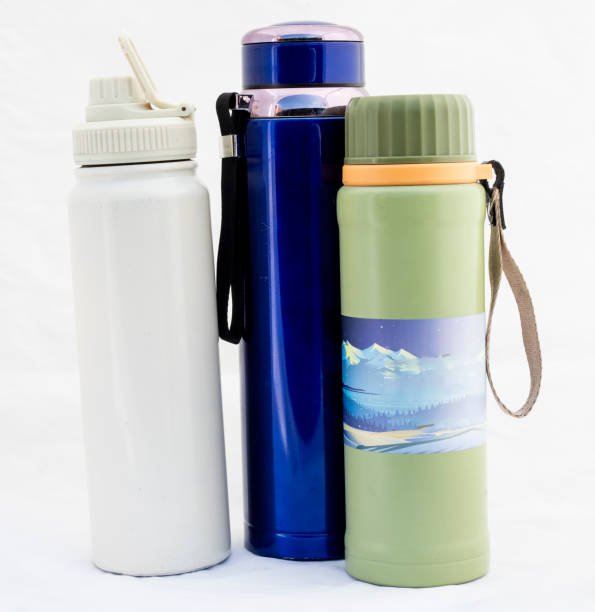
Walk into any store or scroll through an online shop and you’ll find dozens of water bottles — steel, plastic, glass, insulated, sports-style, kids’ bottles with cartoon prints. With Pakistan’s summer heat lasting most of the year and clean drinking water being a real concern in many areas, picking the right bottle isn’t just about looks. It affects how long your water stays cool, whether it’s actually safe to drink from, and whether it survives daily use in your bag, car, or gym kit.
Here’s how to actually choose the best water bottle in Pakistan for your needs — whether you’re after an insulated steel bottle for the office, a BPA-free plastic bottle for the kids’ school bag, or a sports bottle for the gym — without overpaying for features you won’t use or ending up with one that leaks by week two.
A water bottle seems like a simple purchase, but the wrong one can mean warm water within an hour, a funny plastic taste, condensation ruining your bag, or a lid that cracks after a month of daily use. The right bottle, on the other hand, keeps water cold or hot for hours, doesn’t leach chemicals, and can genuinely last for years — which makes it one of those small purchases that’s worth spending a few extra minutes researching.
The material is the single biggest factor in how a bottle performs, and it’s where most buyers go wrong by choosing on looks alone.
If you live somewhere hot for most of the year — which describes much of Pakistan — insulation matters more than most other features.
There’s no universal “best” size — it depends entirely on how often you’re willing to refill versus how much extra weight you want to carry.
This is the detail most people ignore until it’s too late. A great bottle with a poor lid will leak in your bag, spill in your car, or let air in that ruins insulation performance.
A bottle you can’t clean properly becomes a bacteria risk over time, especially in Pakistan’s heat and humidity.
What is the best material for a water bottle in Pakistan’s hot climate? Double-wall insulated stainless steel is generally the best choice for Pakistan’s heat, since it keeps water cool for hours and doesn’t degrade or leach chemicals when left in a hot car or bag.
Are plastic water bottles safe to use daily? Yes, as long as they’re labeled BPA-free. Avoid leaving any plastic bottle, especially cheap or unbranded ones, in direct heat or a hot car for long periods, as this increases the risk of chemical leaching.
How do I know if an insulated bottle is actually good quality? Check for a genuine double-wall vacuum-insulated design and specific hour-based retention claims (like “cold for 24 hours”). Vague marketing without numbers is often a sign of basic insulation, not true vacuum sealing.
What size water bottle should I buy? For daily office or school use, 500ml–1 liter is usually enough. For gym, sports, or long outdoor activity in Pakistan’s heat, 1.5 liters or more is more practical.
How often should I clean my water bottle? Ideally, wash it daily with warm soapy water, and deep clean weekly with a bottle brush or cleaning tablets, especially for narrow-neck bottles or ones with straws, which trap bacteria more easily.
The best water bottle in Pakistan isn’t necessarily the most expensive or the most stylish one — it’s the one that matches your climate, your daily routine, and how much effort you’re willing to put into cleaning and carrying it. Prioritize material and insulation first, then size and lid quality, and you’ll end up with a bottle that actually earns its place in your bag instead of sitting forgotten in a cupboard after a month.
Smart home technology is no longer limited to expensive automated
If you drive in Pakistan, you already know the struggle:
Choosing a humidifier is not just about picking the most